Text: Literacy with an Attitude by Patrick J. Finn & Why Schools Need to Take Another Route by Jeannie Oakes
Option Chosen: Quotes
= quote summary
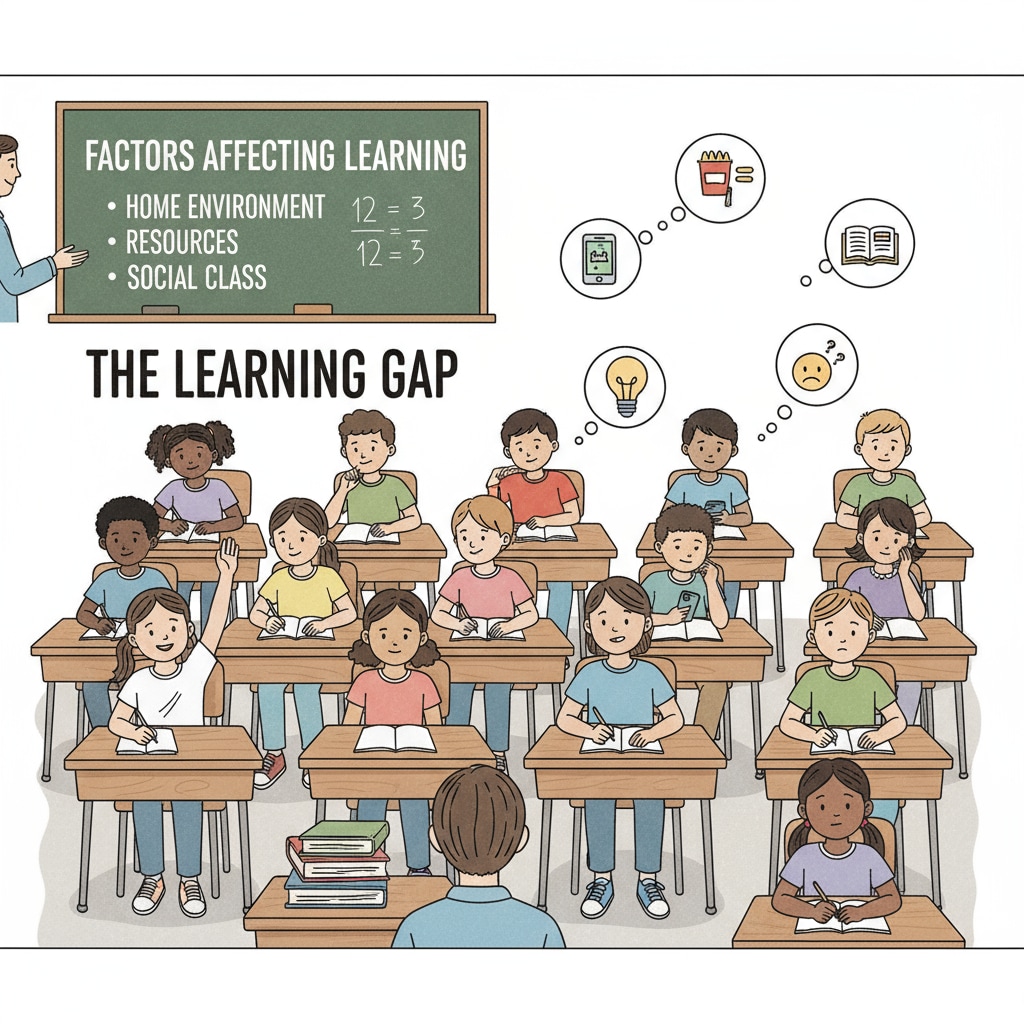
The authors Patrick J. Finn and Jeannie Oakes argue two different things/ways it happens, yet they both talk about how schools can reproduce social inequality by giving different groups of students unequal educational opportunities. Finn argues that the education system provides students with different types of education based on their social class. Stating that working-class students generally receive an education that is centered around basic skills and following rules; they also have fewer opportunities to become proficient in the skills and knowledge needed to influence society. Stemming from the different types of education students of different classes are provided with, Finn focuses on two types. Empowering education, which is more commonly provided to wealthy students and prepares them for leadership, decision-making, and positions of power. Then, domesticating education, which is more commonly provided to working-class students and teaches students the basic skills needed to be productive and dependable. Lastly, Finn mentions that teachers can help change this by providing empowering education and connecting learning to students' lives. Then Oakes argues that tracking or separating students based on perceived academic ability can create unequal educational opportunities. Stating that while tracking can be good for teachers to see and help meet students' individual needs. It's also negative, as it often benefits students placed in high-ability classes while disadvantaging students placed in lower-ability classes (the class system Finn discussed). Below, you can read three quotes that I have picked that I felt best summarized the main points of these two articles.
1. “Students who need more time to learn appear to get less; those who have the most difficulty learning seem to have fewer of the best teachers.” (p. 179). This quote is relevant as it not only summarizes Oakes main argument that tracking can create disadvantages. But it also shows how students who require additional support often don't receive it and have fewer resources to succeed. It stood out to me as it's truly a disadvantage and can be detrimental to a student's success, and it relates to the shared main point, as both articles suggest students should be empowered rather than limited.
2. “Over time, political, social, and economic forces have brought us to a place where the working class (and to a surprising degree, the middle class) gets domesticating education and functional literacy, and the rich get empowering education and powerful literacy.” (Preface, p. 2). This quote is important as it not only highlights the education gap between social classes. It also highlights how even schools have the ability to reinforce existing economic inequalities instead of giving all students equal opportunities. This is a rather sad fact to me, as you'd think school could be one of the few places where students are free to learn and grow without being judged or placed differently based on their outside factors they can't control.
3. For my last quote, I found “Tracking is both a response to significant differences among students and an ongoing contribution to those differences.” (p. 180). To describe what it means, Oakes is explaining that students may come into a school with different academic skills, but tracking just makes those differences larger by providing unequal learning opportunities. This could cause students to fall behind in school if they aren't being treated fairly.
AI Statement: I did not use AI for this post
Reflection: While a class system is hard to get rid of, I don't understand why certain students are being disadvantaged based on wealth or perceived academic ability. In my opinion, schools should still try their hardest to fight for equal education and not give up on students because of their background or what you believe they can do based on a snapshot.


Great post Victoria !! In my blog I wrote something similar. It's truly all just unfair for students.
ReplyDeleteHi Victoria!
ReplyDeleteNice post! I liked how you tied Finn and Oakes together through unequal opportunities. Your third quote, that tracking both responds to and adds to differences, stood out to me too. I agree schools shouldn’t give up on students based on a snapshot, and I think teachers can still make a difference by holding high expectations for every student.
Hello Victoria,
ReplyDeleteI like how you are detail in your explanation of both authors main arguments and how you express your opinions. I definitely agree with you on the tracking limit students than empowering them. I think this immediately makes readers realize that tracking is not a great method because it does not provide the necessary help for students who are struggling but rather divide them from others. I also think it sends a troubling message to student who can either feel discouraged or praised by the tracking system.
I also think it's unfair that students are given different educational opportunities based on their social class or academic ability. Schools should be a place where every student has the opportunity to succeed, regardless of their background.
ReplyDeleteI liked the quotes you chose, I felt they got the points of the articles across well.
ReplyDelete